Bosnia-herzegovina
- 1180 : Ban Kulin becomes the founder of the medieval Bosnian state: a charter between Ban Kulin and Dubrovnik in 1189 shows that Bosnia and Herzegovina was, in fact, a state at this time.
- 1463 : Bosnia and Herzegovina are conquered by the Ottomans and becomes a sandjak of the Ottoman Empire, with Sarajevo as the capital.
- 1878 : The Berlin Congress declares Bosnia and Herzegovina as part of the Austrian-Hungarian Empire.
- 1914 : Archduke Francis Ferdinand of the Habsburg, heir to the throne of the Austrian-Hungarian Empire, is assassinated in Sarajevo. This event is the spark that causes the explosion of the First World War.
- 1918 : Bosnia and Herzegovina are integrated into the Kingdom of Croatians, Serbians, and Slovenians, which later becomes the Kingdom of Yugoslavia.
- March 1992 : The Bosnian Parliament declares independence following a national referendum.
- April 1992 : The international community recognizes the Republic of Bosnia and Herzegovina during its incorporation into the United Nations.
- December 1995 : Signing of the Dayton Agreements in Paris, which ended the long and bloody ethnic war in the Balkans, that left over 200,000 dead and 2.1 million displaced.
- June 16, 2008 : In Luxembourg, the Stability and Association Agreement between Bosnia-Herzegovina and the European Union is signed.
- July 2008 : Bosnia-Herzegovina and the European Commission sign a financing agreement for the 2007 national program, the Instrument for Pre-Accession Assistance (IPA).
- Nov 9, 2010 : The short-stay visa requirement for citizens of Bosnia and Herzegovina is waive
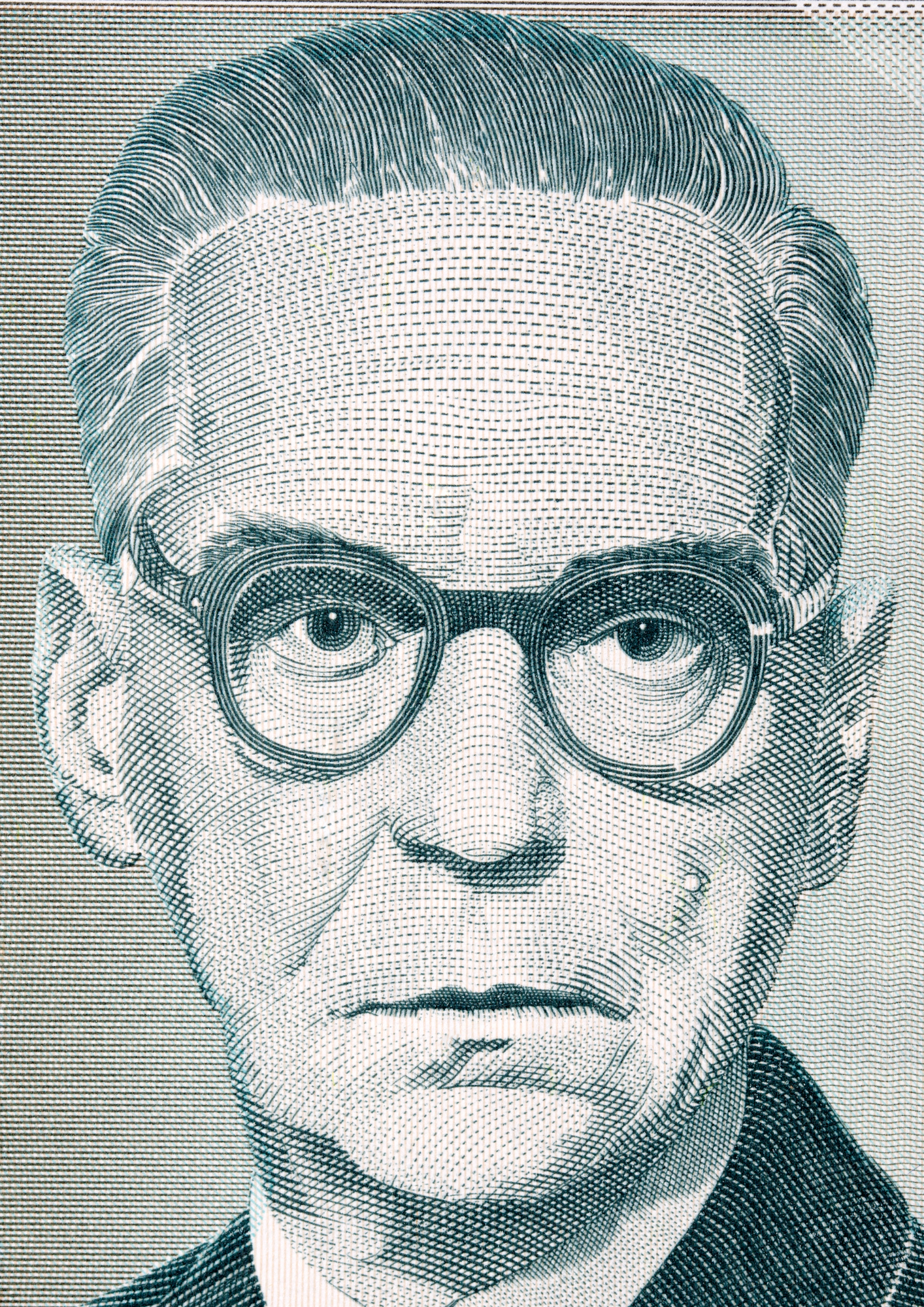
The administrative, economic, and cultural center of Bosnia and Herzegovina is Sarajevo. The city and its surroundings still contain traces of ancient civilizations and their wealth, such as the neolithic Roman Baths, or Butmir Ilidza. Sarajevo is known as a multicultural and multi-denominational city where buildings of different religions rub shoulders. In 2005, the city of Sarajevo became the 83rd member of the International Association of Peace Messenger Cities. The most important mission of the Association is to promote the spirit of peace, tolerance, and respect for multicultural diversity in the world. Sarajevo is also a city of cultural encounters. Each year, the Sarajevo Film Festival takes place in August, the Mess Theatre Festival in October, the Winter Festival in February, and the Jazz Festival in November.
In 1984, Sarajevo hosted the XIV Winter Olympic Games. The high quality of the sports facilities and the famous tracks of the cities of Bjelasnica, Trebevic, Igman, and Jahorina, ensured that the competition ran smoothly.
Picture: 14th Film Festival of Sarajevo, coeur de Sarajevo pour le film “Buick Riviera” © www.sff.ba
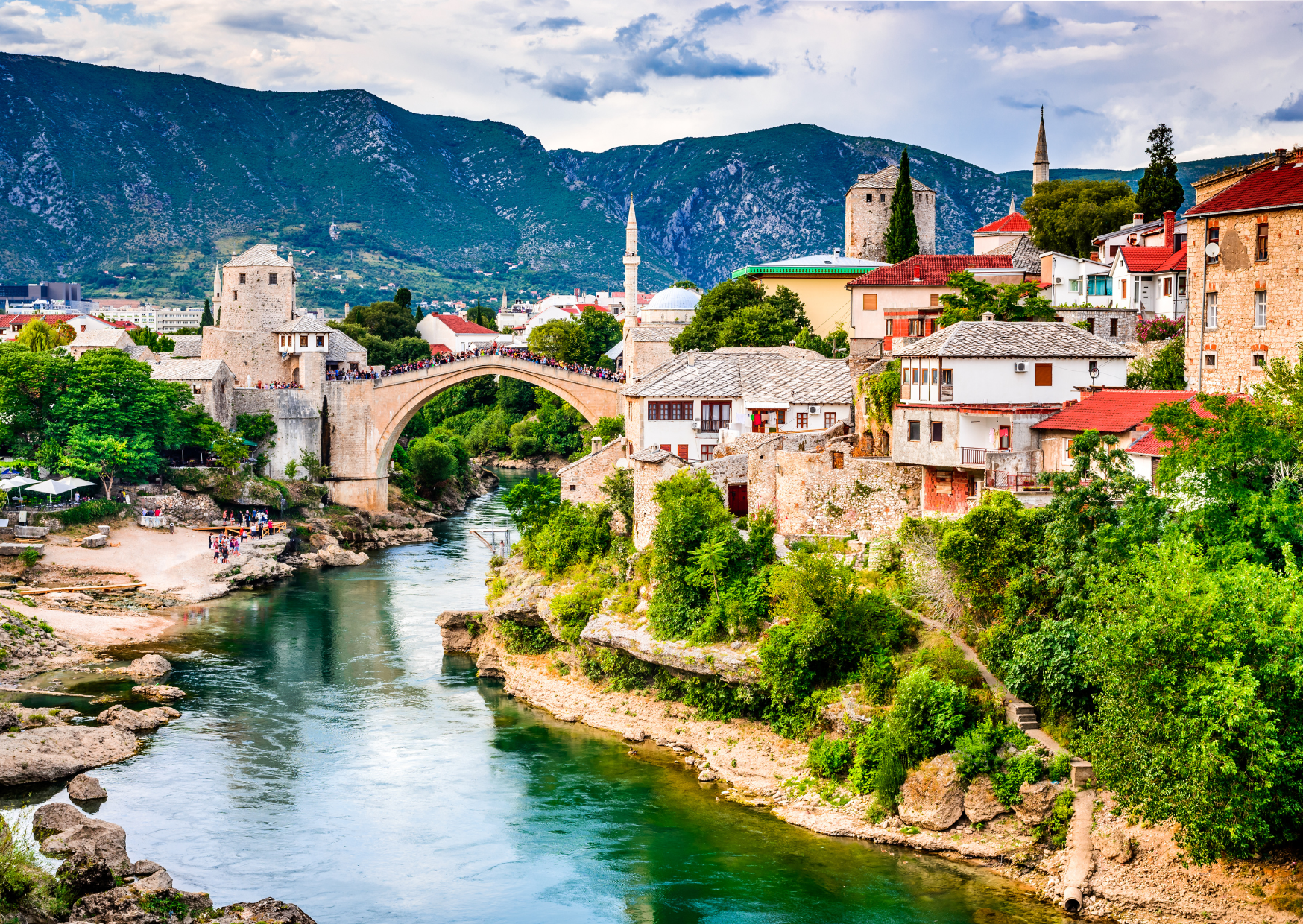
Mostar bridge
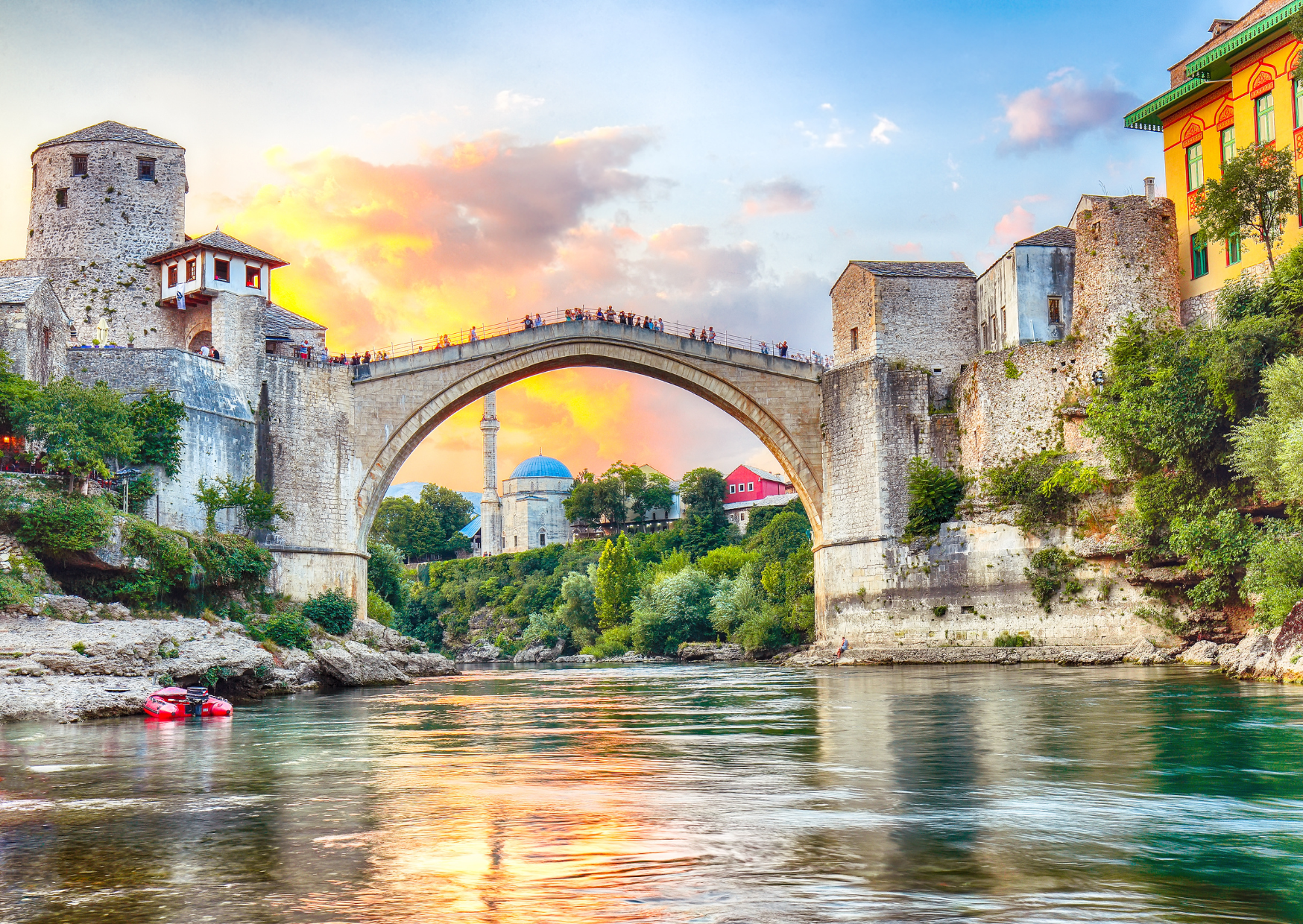 In the second largest city of Bosnia and Herzegovina, Mostar, the rebuilding of this bridge symbolises a link between two neighborhoods on either side of the river. On one side is a predominantly Christian neighborhood, and on the other, a neighborhood predominantly populated by Muslims. This bridge is considered to be a “Patrimony of Humanity” by UNESCO.
The Tram
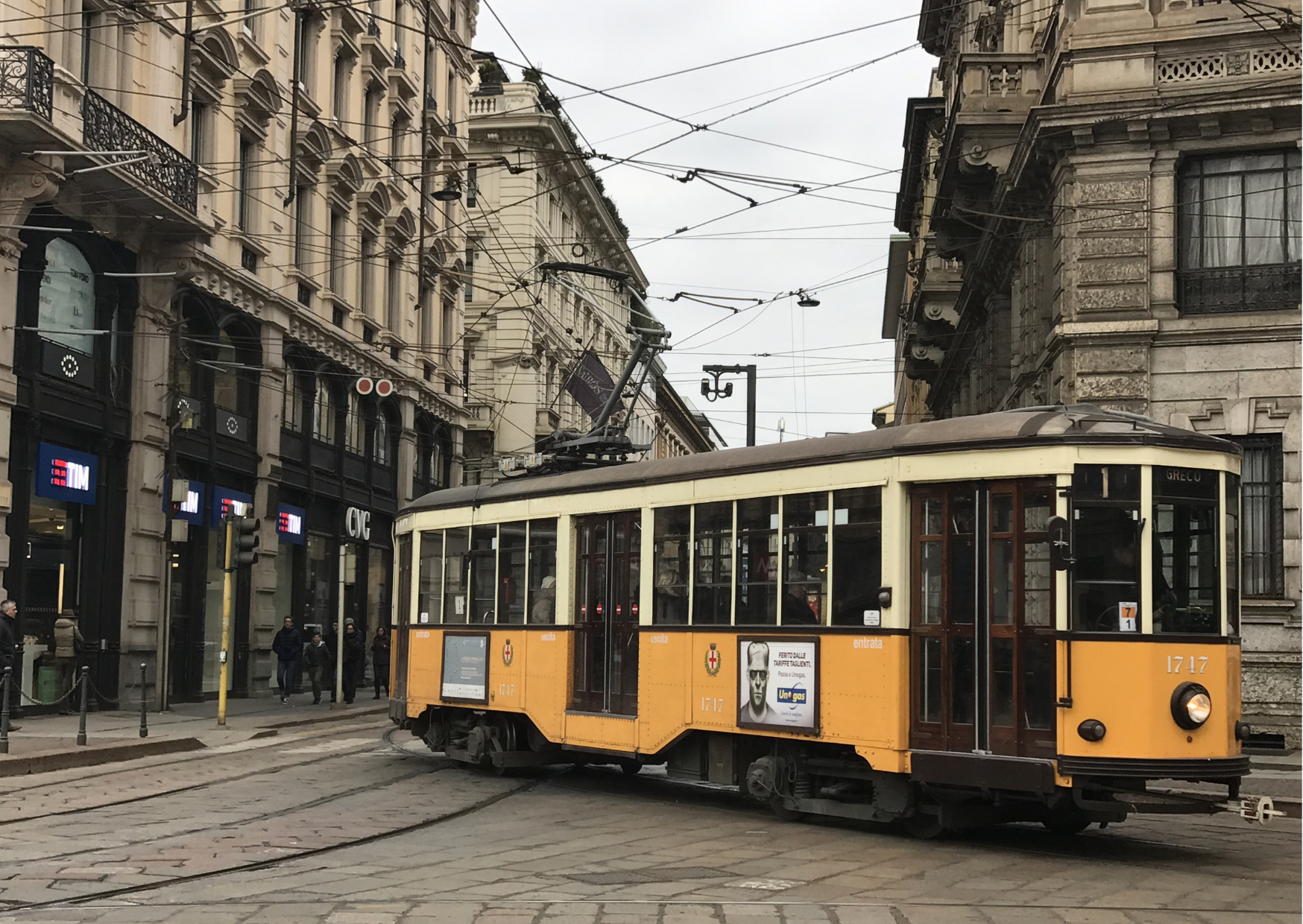 Sarajevo was the first European city to use a tramway system in 1885. At the time, the trams were pulled by horses or mules.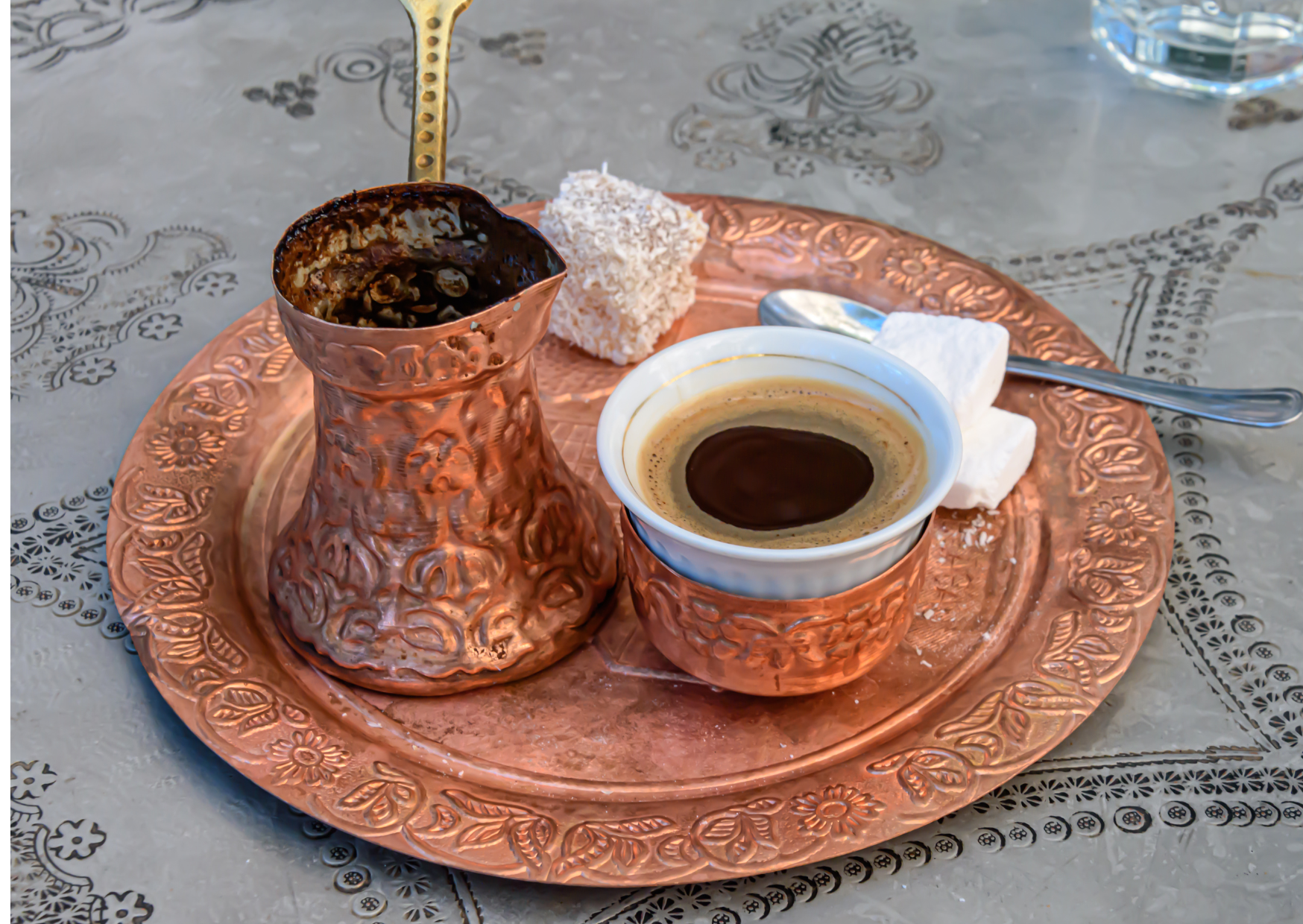
Bosnian coffee