
Switzerland

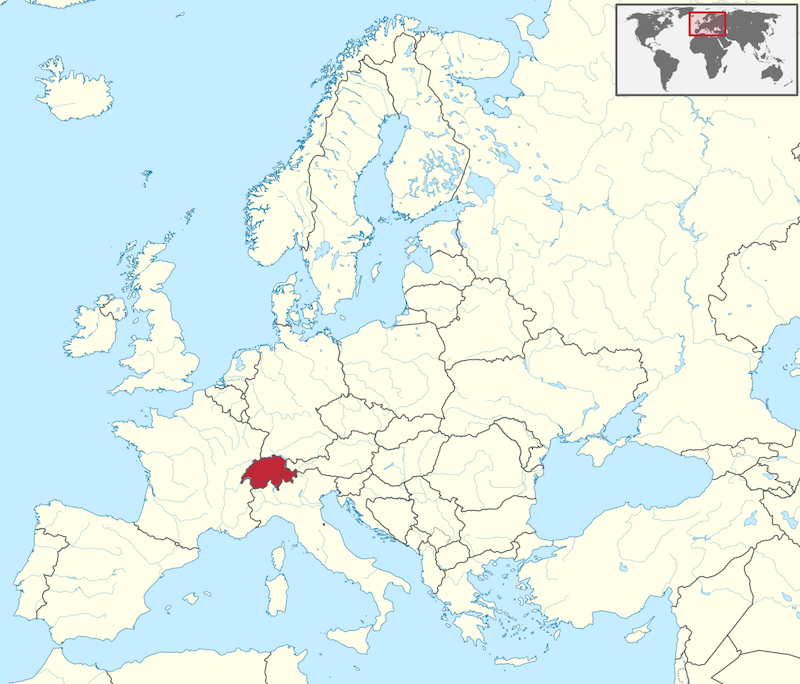
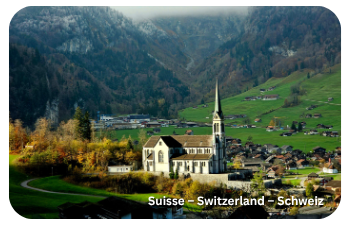 In 1921, the Swiss Confederation appeared, an alliance among 3 rural areas. Over the centuries, the alliance has enlarged. Each member manages its own affaires and different members are united only when tackling with the common questions.
- 1848 Switzerland became a country. Constitution was adopted, endowed a central gouvernement. It was approved by 22 cantons.
- 1863 Established in Geneva of the International Committee of the Red Cross.
- 1874 New Constitution was adopted.
- 1914 – 1918 Switzerland remained neutral during WWI.
- 1920 The League of Nations was created. Switzerland joined as a member. The headquater of the institution was installed in Geneva.
- 1930 – 1945 Switzerland stayed neutral in WWII.
- 1960 Switzerland is the founding member of the European Free Trade Association.
- 1963 Switzerland became a member of the Counsil of Europe.
- 1972 : Free trade agreement with the EU.
- 1979 The 23th canton, Jura, was created without changing the country boarder.
- 1989 : Insurance agreement with the EU.
- 1992 The Swiss Federal Council failed.
- 1999 : Bilateral agreements I with the EU.
- 2000 The first bilateral agreements between Switzerland and the European Union were accepted. They shall enter into force in June 2002.
- 2001 The majority of the population were against joining the EU.
- 2002 Switzerland, which was already a member in several agences of the United Nations, acquired full membership in the UN.
- 2004 The bilateral agreements between Switzerland and the EU were extended to new domains.
- 2008 Since December 12, Switzerland joined the Schengen area so people could travel freely without going though boarder control.
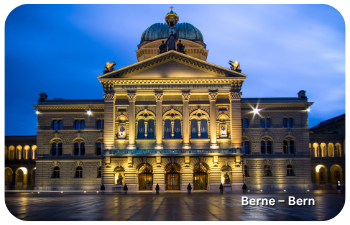
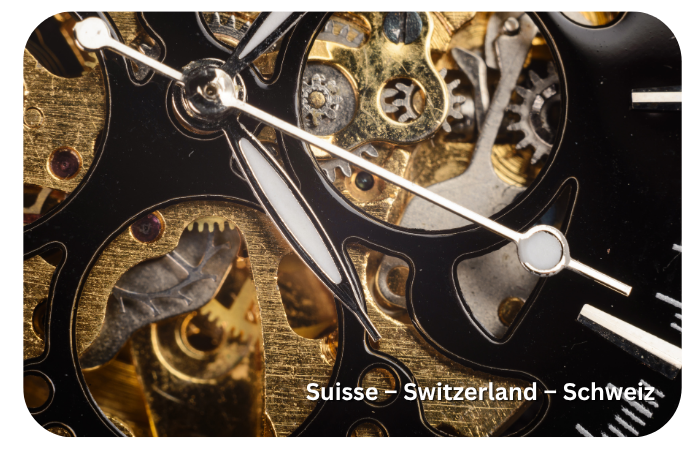 As the world’s leading producer in watches, Switzerland represents fifty percent of the world’s watch production. In terms of exports, watches are the third largest activity in Switzerland, behind chemical products and machinery.
 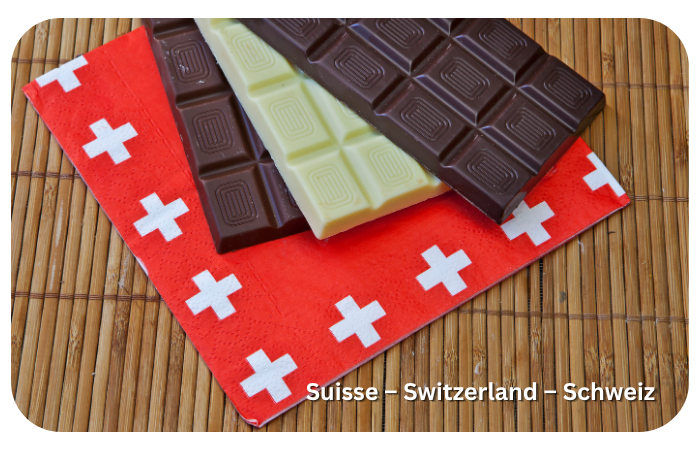 Imported from Latin America by the conquistadors, chocolate, long jealously guarded by the Spanish, crosses the Swiss borders in the eighteenth century. Quickly the first small chocolate factories were created. They grew rapidly because of the high quality of the production of the chocolates. It was also at that time that emerged the idea to mix chocolate and milk. Today, 18 firms export chocolate in over 130 countries. Yet there are plenty of chocolate amateurs in Switerzland : almost half of the 160,000 tons of chocolate that are produced in Switzerland is consumed locally. The Swiss people are champions of the world in chocolate consumption : 11.7 kg per year per person in 2009.
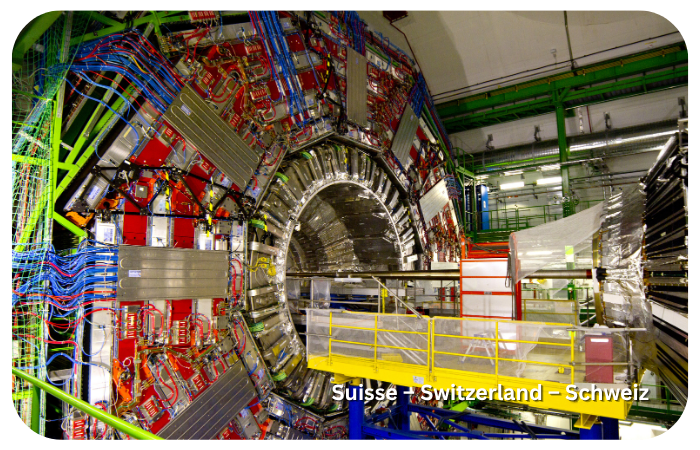 CERN: In the heart of the matter
In the nineteen eighties, CERN was the birthplace of the “www”.
The most popular girl in the world
The novel Heidi by Johanna Spyri is one of the best-selling and most successful children’s stories ever published. The clear distinction in the book between the simple life in the mountains and the sophistication of the city reinforced the myth of an intact alpine world. The orphan child sent by her impoverished aunt to her grandpa in the mountains came to symbolise the unique nature of the alpine environment.
Solar energy in altitude, a path to follow
Since January 2008, the highest solar power plant in the world is officially in operation on the Jungfraujoch, at over 3500m above sea level. The tests showed that the specific energy efficiency of the solar system from the Jungfraujoch is about 70% higher than that of comparable facilities operating on the Swiss Plateau.